

Connect Oracle Receivables and Payables so vendor invoices are held until matching client payments arrive, with AI managing release decisions and exceptions.
PayWhenPaid gives finance and project teams one view of payment dependencies, helping align vendor payments with customer receipts and improve cash flow control.
Reduce cash flow uncertainty around vendor payments
Automatically hold invoices when client payments are outstanding
Match receipts to linked AP liabilities through AI-assisted matching
Release payments when configured conditions are met
Improve visibility across projects, suppliers and finance teams
Less cash flow guesswork . More release control
PAY-WHEN-PAID PRODUCT HIGHLIGHTS
Connected Cash Flow Control
PayWhenPaid links receivables, payables and project dependencies in Oracle, using configurable combinations of supplier & customer, projects & resources, item & categories
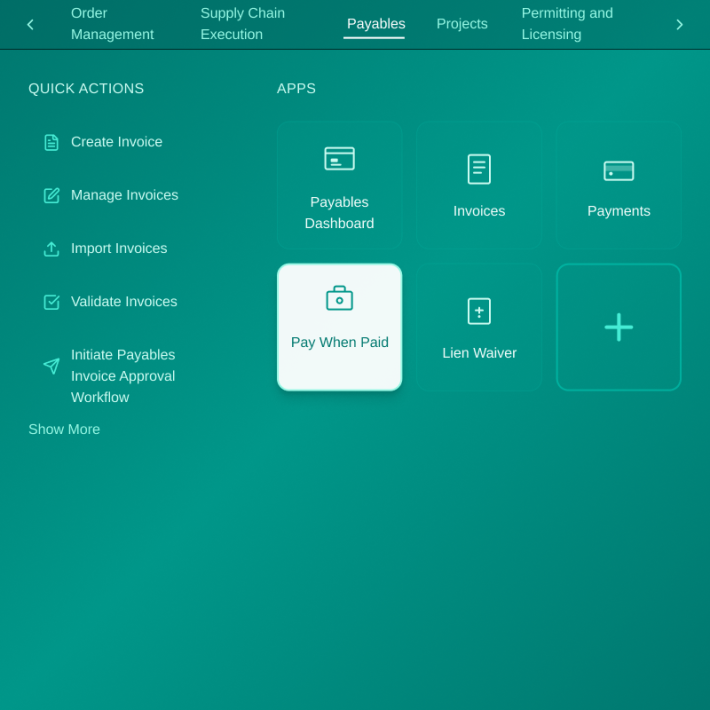
View receivables, payables and dependencies in one dashboard
02
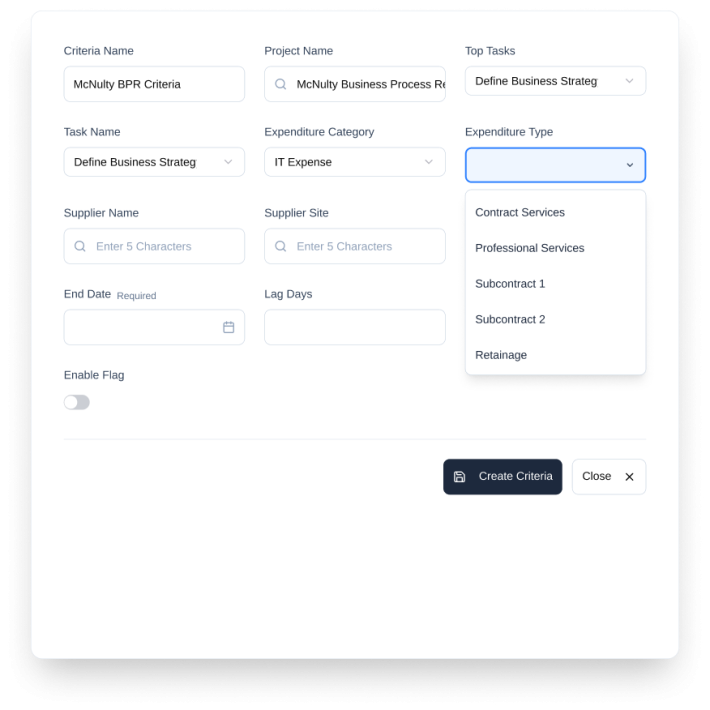
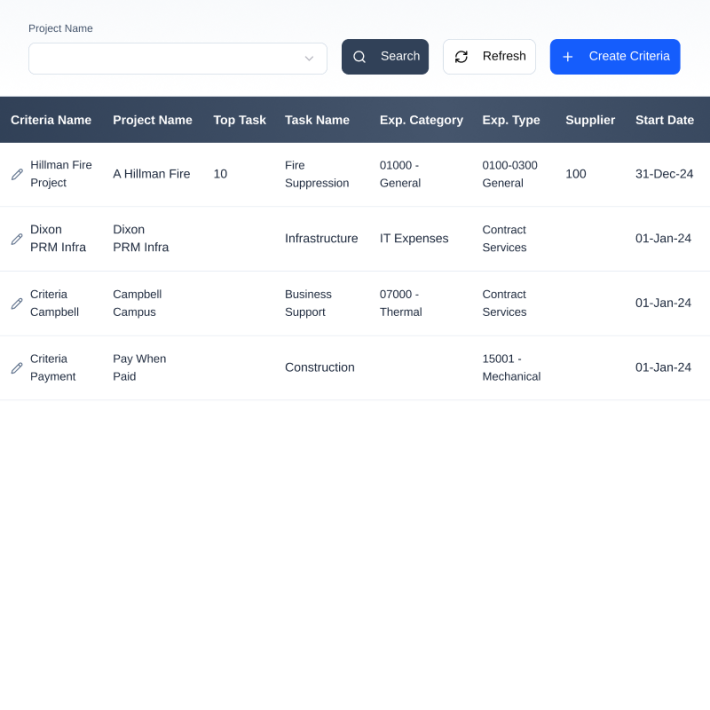
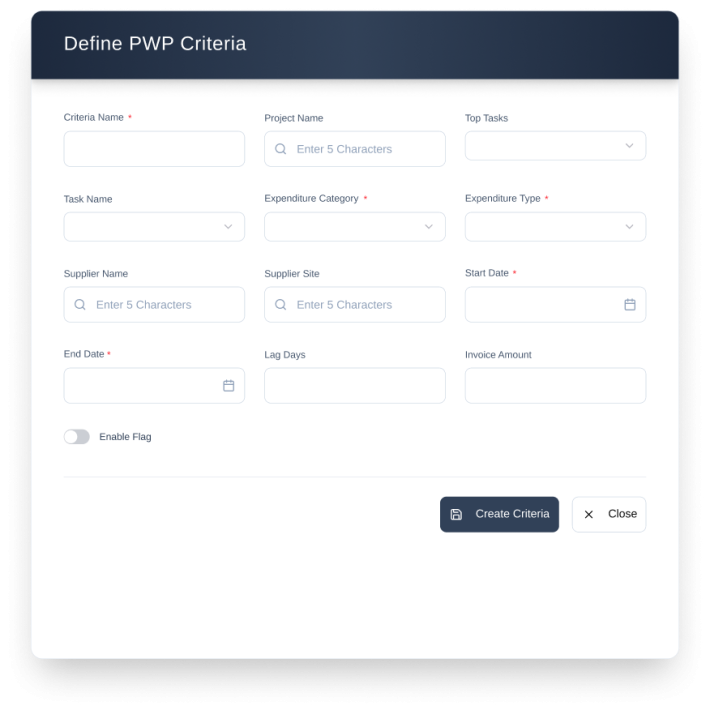
Hold or release invoices using configurable payment criteria
03
Set rules at contract, project, expenditure or supplier level
04
Keep AR and AP data synchronized in real time
05
Connect cash flow processes across projects and finance without repeated manual intervention
06
AI agents match receipts, release eligible liabilities and flag ambiguous cases
HOW PAY-WHEN-PAID WORKS
From Receipt To Release
PayWhenPaid follows the payment dependency from customer receipt through vendor release, keeping every decision visible, controlled and tied to business rules.
1
Define payment conditions at the required business level and scope.
2
Hold vendor invoices while linked customer payments remain outstanding.
3
Match incoming receipts to related AP liabilities as payments arrive.
4
Release eligible vendor payments automatically when conditions are satisfied
5
Review exceptions and monitor pending dependencies from one dashboard.